
Trauma and Rehabilitation
Trauma Physiotherapy and Rehabilitation in Fuengirola and Mijas
Looking to regain your mobility and quality of life? At our specialist centre, we offer a comprehensive advanced physiotherapy service, focused on trauma care and rehabilitation tailored to you.
Conveniently located to serve patients in Fuengirola and Mijas, we understand that every injury is unique. That is why we combine manual techniques with cutting-edge technology to speed up your recovery, whether after surgery, an accident or a sports injury.
Why choose our Rehabilitation service?
Finding a clinic you can trust for your rehabilitation in Fuengirola or Mijas is key to a good outcome. We specialise in treating disorders of the musculoskeletal system, specifically addressing trauma care in clinical practice:
Benefits of our approach
Our goal is to fully restore your function through rehabilitation plans that reduce pain and rebuild your strength and mobility. Thanks to our experience in trauma care, we successfully treat everything from common complaints (low back pain, neck pain, sciatica) to complex conditions such as herniated discs, osteoarthritis and tendinitis.
We specialise in recovery from sprains, fractures and whiplash after accidents. At Centro Vivae, for patients in Fuengirola and Mijas, we apply advanced techniques based on the latest scientific evidence to ensure a safe, fast return to your everyday activities, significantly improving your quality of life.
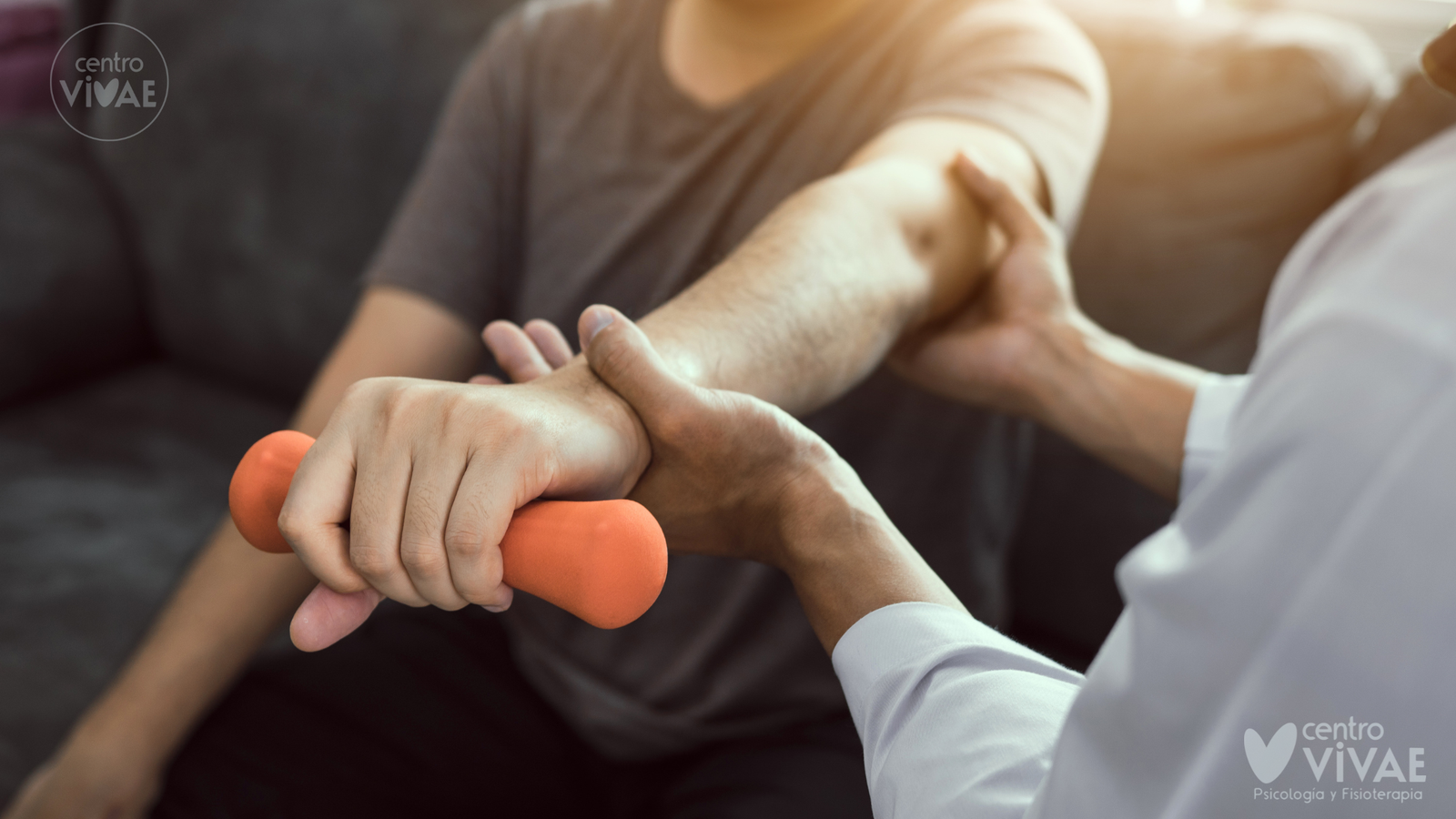
What we treat in rehabilitation in Fuengirola
Trauma physiotherapy deals with injuries to bones, joints, muscles, tendons and ligaments. These are the situations we see most often in our patients in Fuengirola and Mijas.
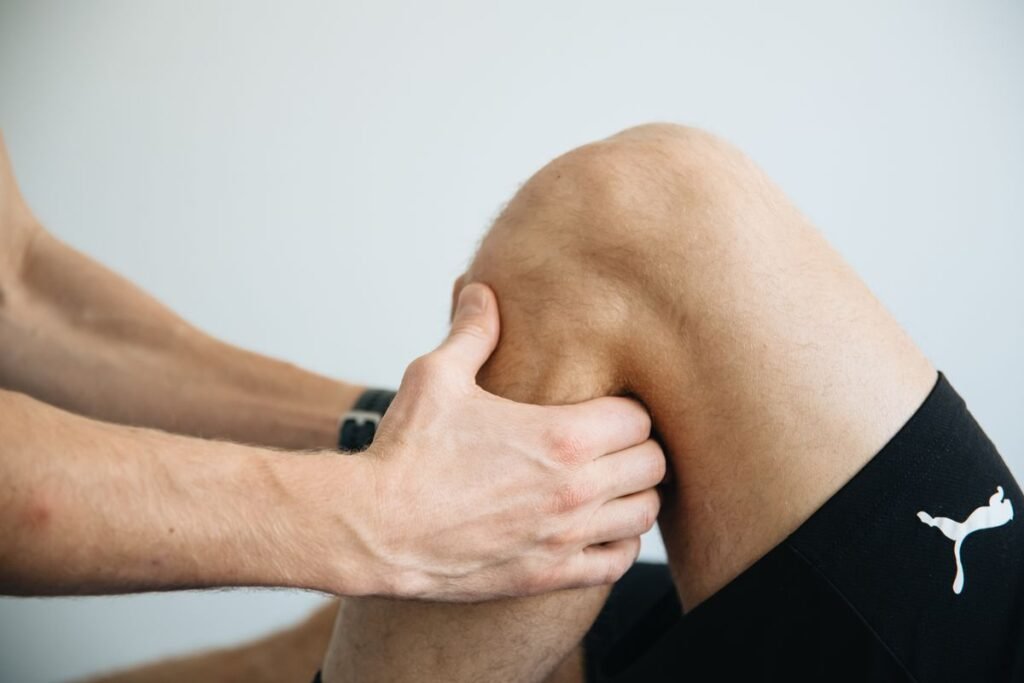
Recovery after an operation
Knee and hip replacements, cruciate ligament reconstruction, and shoulder, meniscus or spinal surgery. We follow your surgeon’s instructions and adapt each phase to your progress. We explain it in more detail in our guide to post-surgical recovery (in Spanish).
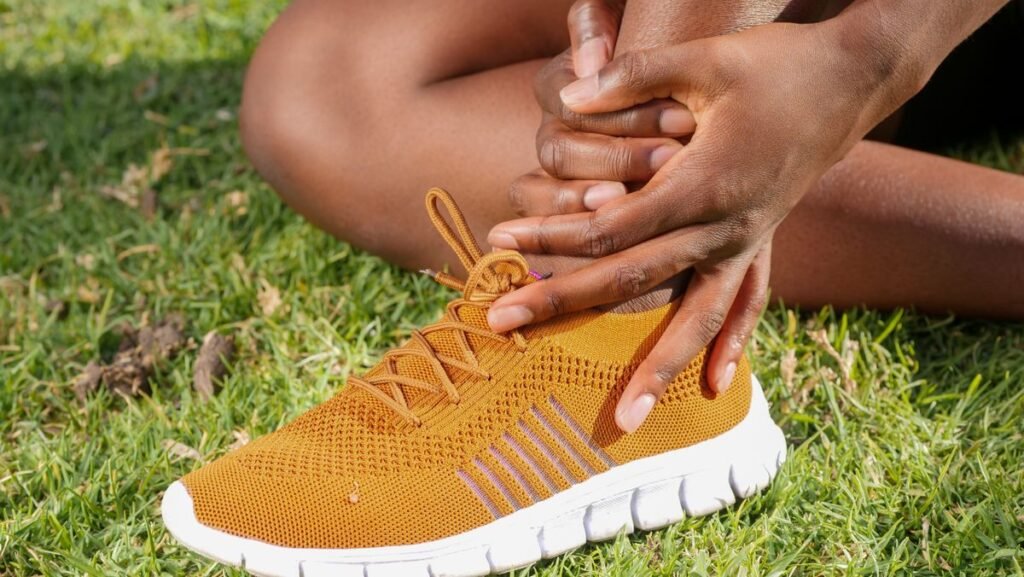
Fractures and sprains
After the cast or splint comes off, the joint is usually stiff and the muscles weakened. We work on mobility, strength and balance so that you regain confidence when walking, climbing stairs or getting back to sport.
With ankle sprains, good rehabilitation reduces the risk of the injury happening again. We take you through it step by step in our guide to recovery after a fracture or sprain (in Spanish).
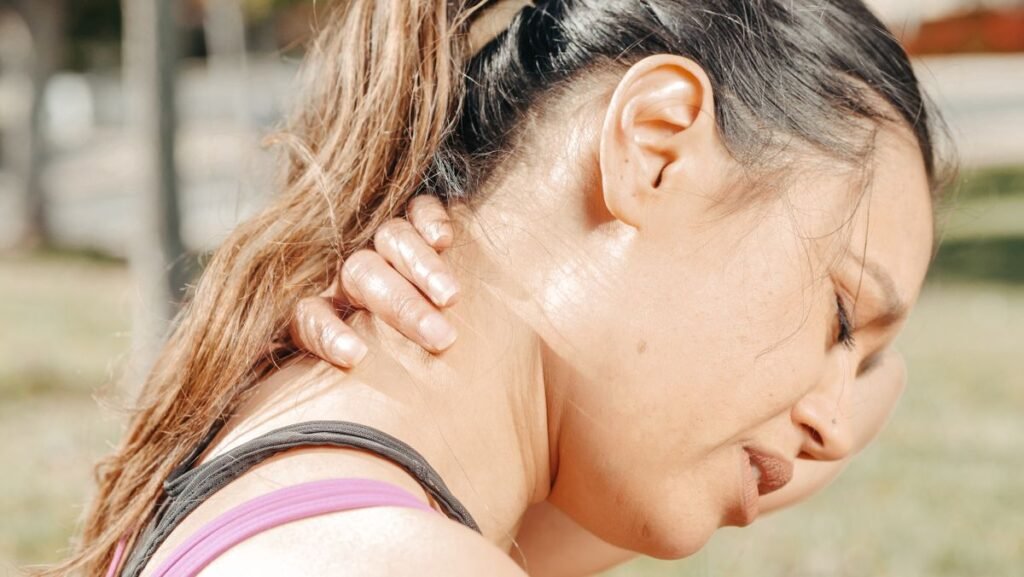
Back and neck
Low back pain, sciatica, herniated and bulging discs, neck pain and whiplash after a road traffic accident. We combine manual therapy and exercise to relieve pain and improve the stability of your spine. If your problem is your neck, read also about neck pain, posture and dizziness (in Spanish).
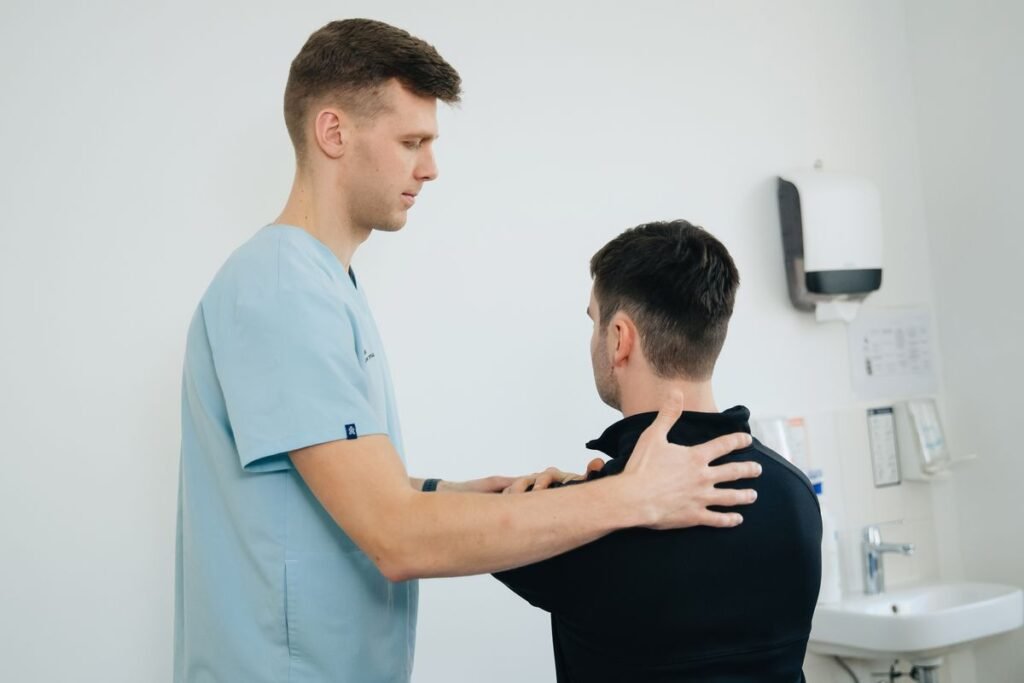
Shoulder, tendons and osteoarthritis
Rotator cuff tendinopathies, frozen shoulder, tendinitis, bursitis and joint pain due to osteoarthritis. We aim to reduce pain and, above all, help you use the joint normally again. Find out more about shoulder conditions (in Spanish).
The 4 phases of your rehabilitation in Fuengirola
1. Initial assessment
We review your medical reports and imaging tests, ask how the injury affects your daily life and examine your mobility, strength and pain. With that information we set realistic, measurable goals.
2. Pain and inflammation control
In the first sessions we use manual therapy, drainage, gentle mobilisations and, where indicated, techniques such as neuromodulation or dry needling. The aim is that pain stops limiting your recovery.
3. Mobility and strength
Little by little we introduce exercises to recover lost range of movement and strength. We teach you to do them properly so that you can repeat them at home between sessions, which is where much of the progress is made.
4. Back to your life and prevention
The last phase focuses on what you need: working, looking after your family, walking without fear or getting back to sport. We finish with a maintenance routine so that the results last.
Home trauma physiotherapy in Fuengirola and Mijas
We currently offer rehabilitation at home: the physiotherapist comes to your house with the necessary equipment. This is especially useful after an operation, when walking or driving is still difficult, and for older people or those with reduced mobility. Soon we will also see patients at our Las Lagunas de Mijas centre. Each session lasts 45 minutes.
Advantages of recovering at home
- You avoid travelling while you are still in pain or using crutches.
- We work in your own surroundings: your stairs, your bathroom, your sofa.
- We show you how to adapt your home so that you can move around more safely.
- Your family can learn how to help you without hurting themselves.
Coordination with your doctor
If you have had surgery or are being followed by an orthopaedic specialist, we take their instructions and the timing of each phase into account. If during treatment we detect anything that needs a new medical assessment, we will tell you so that you can get it checked.
The World Health Organization considers rehabilitation an essential part of healthcare, not an add-on.
Other situations where we can help
Knee pain and osteoarthritis
If your knee hurts when climbing stairs, getting up from a chair or after walking for a while, well-dosed therapeutic exercise is one of the most recommended treatments. We help you strengthen the muscles that protect the joint and stay active.
After a fall
In older people, a fall can cause fear of walking again even when there is no fracture. We work on balance, leg strength and confidence, and review your home with you to reduce the risk of further falls.
Work-related or postural injuries
Back pain from sitting for many hours, wrist or elbow tendinitis from repetitive movements or overloaded shoulders. As well as treating the pain, we give you simple guidelines for your workstation.
Road traffic accidents
Whiplash and knocks after an accident can cause symptoms days later: neck pain, headaches or dizziness. Early, well-planned rehabilitation helps prevent this discomfort from becoming chronic.
What to expect from rehabilitation after surgery
Every operation and every person is different, so there are no timescales that apply to everyone. The usual approach is to start with gentle mobilisations and simple exercises as soon as the surgeon allows, gradually increase the load over the following weeks and finish with functional and strength exercises. You will notice progress from the first few weeks, although full recovery can take several months. Our job is to support you throughout the process, explain where you are and adjust the plan so that you don’t plateau. We will also tell you which activities you can resume at each stage, such as driving, going back to work or climbing stairs unaided, so that you always know what to expect.
Tips to speed up your recovery
Be consistent with your exercises
Sessions with the physiotherapist show you the way, but what you do at home every day has the biggest influence on the result. Better a little every day than a lot every now and then.
Move within the guidelines
Complete rest is rarely the best option. Moving in a guided way, without going beyond the limits we give you, helps reduce stiffness and recover function sooner.
Look after your sleep and diet
Sleeping well and eating a balanced diet help tissue repair. If you have questions about pain medication, always ask your doctor.
Be patient and tell us how you feel
Recovery is not a straight line: there are better days and worse days. Tell us how you are feeling so that we can adjust the treatment at each session.
Frequently asked questions about rehabilitation in Fuengirola
Do I need a doctor’s referral to start?
You don’t need one for private physiotherapy. Even so, if you have reports, test results or the protocol you were given after your operation, bring them to the first session as they help us plan your treatment.
When can I start after my operation?
It depends on the procedure and what your surgeon says. With many operations, rehabilitation starts in the first few days or weeks. If in doubt, contact us and we will look at it with you.
Does rehabilitation hurt?
There may be some discomfort, especially at the beginning, but treatment should never be torture. We adapt the intensity to your tolerance and explain which sensations are normal and which are not.
How many sessions will I need?
It varies a lot depending on the injury. At the first visit we will give you an approximate estimate and review it as you progress.
I am an older person. Can I do rehabilitation too?
Of course. Rehabilitation is very useful at any age to maintain independence, prevent falls and recover after a fracture or joint replacement. The home service makes the process much easier.
What do I need to have at home?
Just comfortable clothes and a little space. We bring the treatment table and equipment. If you need any accessories for the exercises, we will tell you which ones and where to get them.
I had my operation in another hospital or city. Can you follow my recovery?
Yes. Many patients have surgery elsewhere and do their rehabilitation close to home. We just need to know the type of procedure and the instructions you were given, and we adapt the plan from there.
What if I don’t notice any improvement?
We review the plan with you. Sometimes the approach needs to change, the exercise load needs adjusting or other factors need to be considered. If we think you need a new medical appointment or test, we will tell you clearly.
Do you have an injury or are you about to have surgery? Write to us and we will explain how we can help with your rehabilitation in Fuengirola and Mijas. You can also read our guide to trauma physiotherapy step by step (in Spanish), learn about osteopathy and manual therapy or see all our physiotherapy services and sports physiotherapy.