
Couples therapy and sexuality
Couples therapy in Fuengirola and Mijas: psychology and sexuality
Maintaining a healthy relationship and a fulfilling sex life takes care, communication and, at times, the support of a professional. At our specialist centre in Fuengirola, we help couples rediscover their bond and overcome the barriers that stand in the way of their emotional and physical wellbeing.
If you feel that routine, communication problems or difficulties with intimacy are affecting your relationship, our couples therapy in Fuengirola and Mijas offers you a neutral, safe space. Here, you can both express yourselves without judgement and work on real solutions that strengthen your shared life plans.
When should you go to couples therapy?
You don’t need to be in a deep crisis to see a psychologist specialising in relationships. Many couples in Mijas and Fuengirola come to us because of:
Benefits of our couples therapy in Fuengirola
Our comprehensive approach combines clinical psychology with specific sexology techniques. We understand that a couple is a dynamic system; that is why our interventions in Fuengirola and Mijas are personalised, respecting each person’s pace and needs.
We believe that a healthy sexuality and a balanced relationship are fundamental pillars of mental health. By choosing our centre, you are assured of expert, evidence-based support designed to help you regain harmony and satisfaction in your daily life together.
Frequently asked questions about couples therapy
When is the right time to go to couples therapy?
What if my partner doesn’t want to see a psychologist?
Is couples therapy the same as sex therapy?
Is therapy in Fuengirola and Mijas completely confidential?
Articles by Sonia Ramírez on couples therapy in Fuengirola (in Spanish)
Sonia Ramírez Blanco, health psychologist (registration no. AO-11023), holds a master’s in Clinical Sexology and Couples Therapy from the University of Extremadura and is co-founder of Centro Vivae. On our blog she writes, in Spanish, about the problems we see most often in couples therapy in Fuengirola and Mijas:
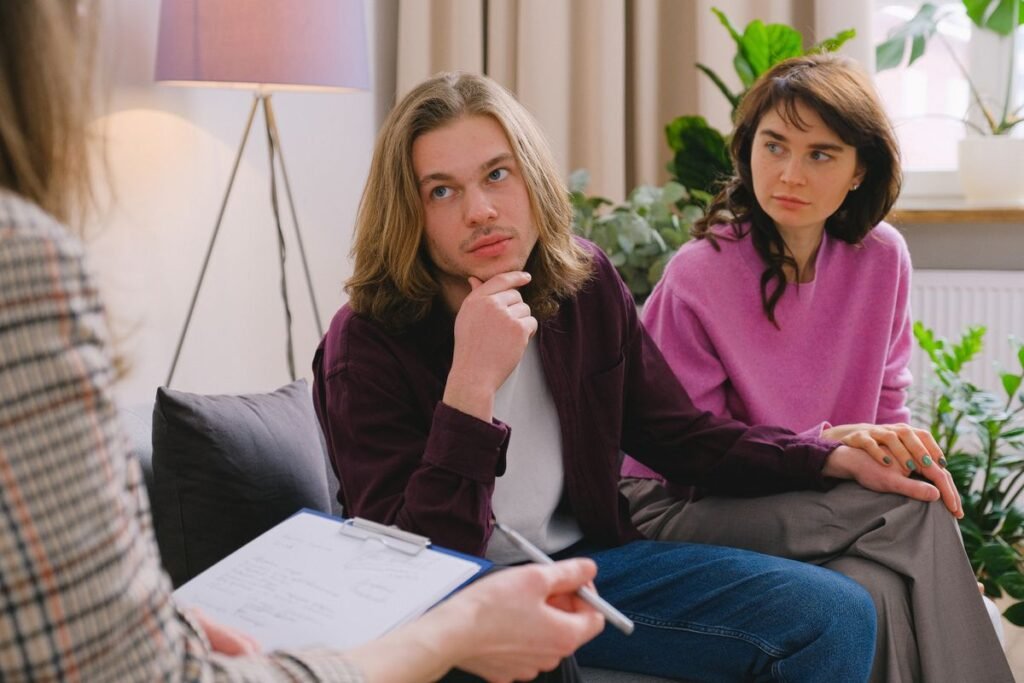
When to go to couples therapy?
By Sonia Ramírez, health psychologist
Arguments that keep coming back, feeling like flatmates, broken trust… This guide covers seven warning signs, explains what happens in the first session and answers common questions, such as what to do if your partner doesn’t want to go. If you recognise two or more signs, couples therapy in Fuengirola can help you. Read when to go to couples therapy.
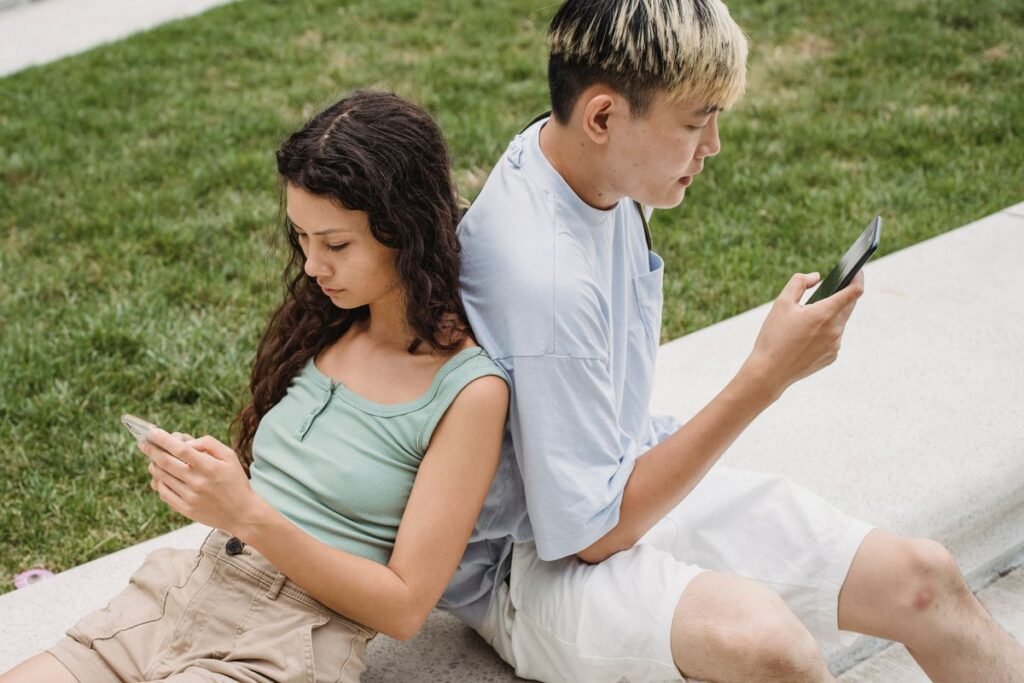
Relationship problems caused by mobile phones
By Sonia Ramírez, health psychologist
Being together on the sofa with each of you looking at your own screen. Phubbing is now one of the most common reasons for coming to therapy. Sonia explains why it is so damaging, which signs to watch out for and shares three real cases from her practice. It is one of the issues we work on most in couples therapy in Fuengirola. Read the guide on relationship problems caused by mobile phones.

Emotional dependence and boundaries
By Sonia Ramírez, health psychologist
Emotional dependence and difficulty saying “no” often appear in relationships. The article explains the difference between healthy boundaries and walls, and how to look after yourself without feeling guilty. It also affects sexuality: when it is hard to say what you need, intimacy suffers. Find out how to set boundaries without guilt.
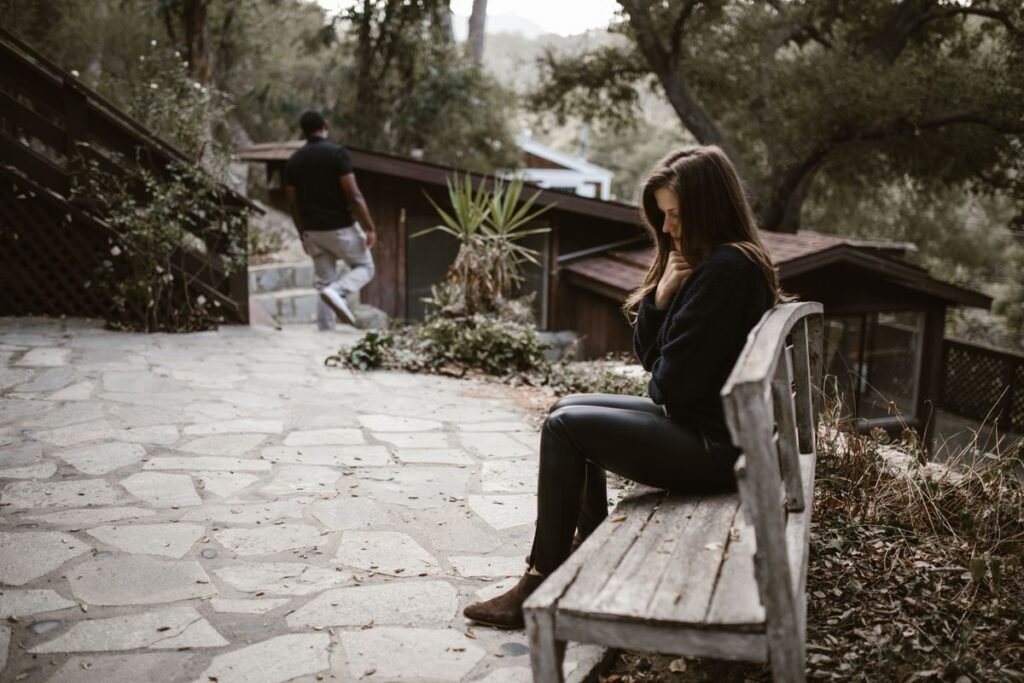
Grief after a break-up
By Sonia Ramírez, health psychologist
A break-up is also a form of grief, even if it is not always recognised as such. Sonia explains how grief works, which reactions are normal and when it is a good idea to ask for help to regain your sense of direction. In couples therapy in Fuengirola we also support separations, so that they are as respectful as possible. Read more about grief and life crises.
In couples therapy in Fuengirola we also address sexuality: lack of desire, difficulties with sex, differences in each partner’s needs or changes after motherhood, the menopause or illness. These are hard things to talk about, which is why we take special care to make our consulting room a judgement-free space.
Talking about sexuality in therapy is not compulsory from day one: we go at the couple’s pace and only when you both feel comfortable. If you would like to know more about the profession, you can visit the website of the Spanish Psychological Association (Consejo General de la Psicología de España).

